Contemporary fashion is shaped by more than major designers and internationally recognized clothing companies. Independent fashion labels have become an important part of the industry by introducing fresh ideas, exploring different design approaches, and giving consumers more ways to express their individual identities. These brands often develop their own creative direction rather than relying entirely on established fashion conventions, allowing them to experiment with silhouettes, colors, graphics, and everyday clothing styles. As consumers increasingly explore alternatives to mainstream fashion, independent labels continue to contribute to the diversity and evolution of modern clothing.
The growing interest in independent fashion also reflects changing attitudes toward personal style. Many shoppers want clothing that feels relevant to their lifestyles without looking identical to what everyone else is wearing. From contemporary streetwear and graphic T-shirts to minimalist essentials and versatile casualwear, independent brands offer a broad range of choices. Their influence extends beyond individual products, helping shape conversations about creativity, brand identity, cultural expression, and the future direction of the fashion industry.
One of the most important contributions of independent fashion labels is their ability to explore ideas that may differ from the collections offered by larger retailers. Without relying on a single mainstream aesthetic, these brands can experiment with original graphics, unusual color combinations, relaxed silhouettes, and distinctive design details. Some focus on understated garments that emphasize simplicity, while others create expressive collections inspired by art, music, urban environments, or everyday experiences. This variety gives consumers more opportunities to find clothing that matches their preferences.
Independent designers can also respond to specific interests and emerging fashion movements. Rather than attempting to appeal to every customer, a label may build its identity around a particular audience or style. This focused approach can make its collections feel more consistent and recognizable. As a result, independent brands help introduce new ideas into contemporary fashion while encouraging shoppers to explore beyond familiar trends and widely available designs.
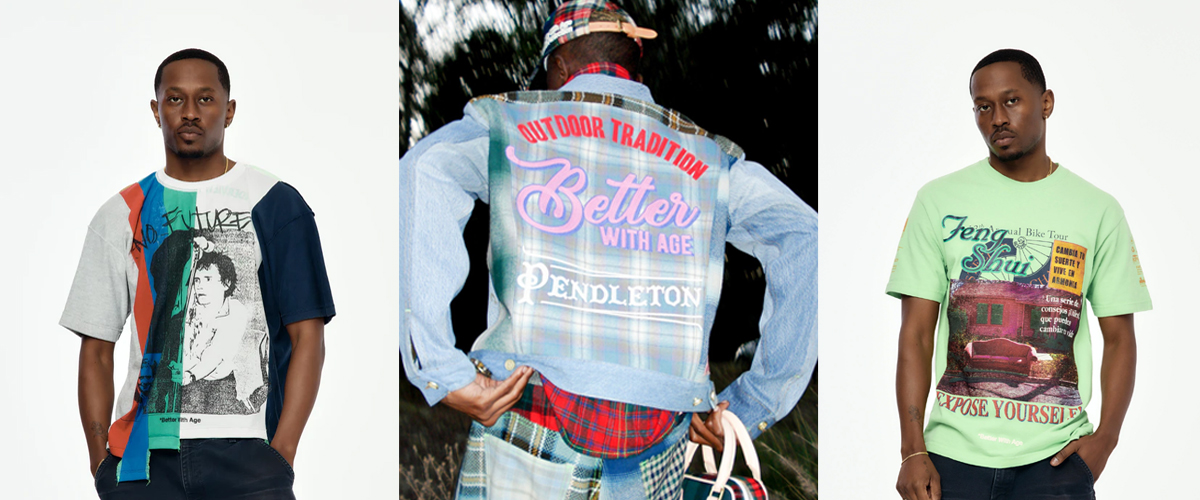
Streetwear is one of the fashion categories in which independent labels have developed a particularly visible presence. Influenced by skateboarding, hip-hop, sports, music, and urban communities, modern streetwear combines comfortable clothing with expressive design. Hoodies, oversized T-shirts, relaxed trousers, sneakers, and graphic apparel have become familiar elements of this style. Independent brands contribute by experimenting with these everyday pieces and creating collections that reflect different cultural perspectives and personal tastes.
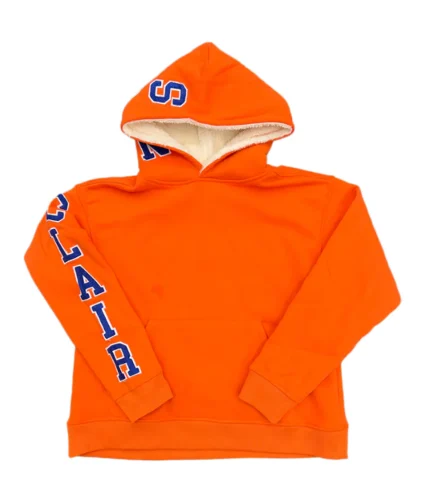
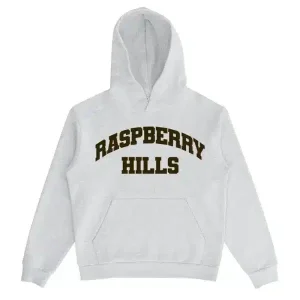
The appeal of streetwear often comes from its balance between practicality and individuality. A simple hoodie can become a defining part of an outfit through its fit, color, artwork, or styling. Similarly, a graphic T-shirt can introduce personality without requiring an elaborate wardrobe. Brands such as Sinclair Clothing are relevant to conversations about contemporary casualwear and modern streetwear, where comfortable essentials and personal expression play important roles. The broader influence of independent labels encourages consumers to see everyday clothing as an opportunity to develop their own visual identity.
Fashion is a form of communication, allowing people to express their preferences, interests, and attitudes through the clothes they choose. Independent labels support this process by offering alternatives to standardized designs and widely repeated trends. Their collections may include distinctive prints, subtle design details, unusual proportions, or carefully selected color palettes that help wearers create a recognizable personal style. This diversity is particularly valuable for consumers who prefer building outfits around their own preferences rather than following every seasonal trend.
Developing a personal style does not necessarily require purchasing an entirely new wardrobe. Independent clothing can be combined with existing basics to create fresh outfits without making everyday dressing complicated. A graphic T-shirt may work with classic denim, while a relaxed sweatshirt can complement neutral trousers and sneakers. By choosing a few distinctive items and combining them with versatile essentials, shoppers can develop a wardrobe that feels individual, practical, and consistent with their lifestyles.
For an independent fashion label, a clear brand identity helps communicate what makes its clothing distinctive. This identity can be expressed through product design, photography, packaging, written communication, and the overall presentation of a collection. Some labels emphasize minimalism and timeless styling, while others focus on bold graphics, contemporary streetwear, or creative experimentation. When these elements work together, they help customers understand the brand's perspective and recognize its products more easily.
Brand identity is especially important in an online environment where shoppers may discover a business through a single image or product listing. A consistent visual approach can make a collection easier to understand and help establish expectations about its style. However, strong branding should be supported by useful product information, reliable customer communication, and clothing that meets reasonable expectations. Consumers are more likely to develop lasting confidence in a label when its presentation and products work together to create a positive shopping experience.
Digital platforms have changed how independent fashion brands introduce themselves to potential customers. In the past, reaching a large audience often depended heavily on physical retail locations, traditional advertising, or established distribution networks. Today, brand websites, social media platforms, online fashion publications, and creator communities provide additional ways to showcase collections and communicate directly with interested shoppers. This greater accessibility has created opportunities for smaller labels to reach people who share their interests, even when those customers live far from the brand's home market.
Social media is particularly useful for presenting clothing in real-life settings. Outfit photographs, styling videos, product close-ups, and collection announcements can help customers understand how individual garments might fit into their wardrobes. Online platforms also allow brands to receive feedback and observe which products attract attention. Although digital visibility does not guarantee commercial success, it gives independent labels additional tools to introduce their creative direction, build recognition, and establish relationships with potential customers.
While distinctive designs can attract attention, quality and practicality remain important considerations when consumers evaluate independent clothing brands. Shoppers often want garments that feel comfortable, fit appropriately, and work with the pieces they already own. Fabric composition, stitching, construction, care instructions, and accurate sizing information can all influence the usefulness of a product. Independent labels that provide clear descriptions make it easier for customers to assess whether a garment suits their needs before placing an order.
Versatility can also contribute to the long-term value of a clothing purchase. A well-designed hoodie, a comfortable T-shirt, or a pair of casual trousers may be worn across different settings and combined with multiple wardrobe pieces. For shoppers exploring options such as a Sinclair hoodie, practical factors like fit, material, styling preferences, and intended use are worth considering alongside the overall design. Choosing garments that fit naturally into everyday routines can help consumers create more outfits without continually purchasing new clothing.
Modern consumers have access to a wider selection of clothing styles than previous generations, and their expectations continue to evolve. Many shoppers explore brands through online recommendations, compare products before buying, and look for collections that reflect their individual preferences. Independent labels can respond to these interests by developing focused product ranges and communicating a more specific design perspective. Their presence gives consumers additional choices beyond the familiar offerings of large fashion retailers.
At the same time, shoppers differ in what they value. Some prioritize affordability, others prefer distinctive graphics, and many look for a combination of comfort, durability, and contemporary design. Independent fashion brands do not automatically meet every expectation, which is why comparing products and reviewing shopping policies remains important. Their contribution lies in expanding the available options and encouraging consumers to make choices based on personal needs rather than assuming that a single fashion trend suits everyone.
Despite their creative opportunities, independent clothing labels often face practical challenges. Limited budgets, production costs, inventory management, competition, and the difficulty of building customer awareness can make growth demanding. Smaller businesses may also have fewer resources for advertising, distribution, and large-scale manufacturing. These limitations can affect how frequently they release new collections and how widely their products are available.
Building trust is another important part of long-term development. Customers need clear information about sizing, materials, shipping, returns, and customer support before they feel comfortable ordering from an unfamiliar brand. Independent labels can strengthen their position by communicating transparently, presenting products accurately, and maintaining consistent service. Sustainable growth often depends on balancing creative ambition with realistic business decisions and a clear understanding of the customers the brand wants to serve.
Independent fashion labels are likely to remain an important part of the wider fashion landscape because they contribute diversity, experimentation, and new perspectives. As digital shopping continues to connect consumers with brands around the world, shoppers can explore more specialized collections and discover designers whose work matches their interests. The ability to communicate directly with audiences may also help independent businesses develop stronger brand identities and refine their collections in response to customer feedback.
Future success will depend on more than visibility or short-lived popularity. Brands will need to maintain a clear creative direction, understand their audiences, offer useful product information, and create clothing that people genuinely want to wear. Independent labels that balance distinctive design with comfort, quality, and practical value can continue to earn a place in modern wardrobes. Their influence will be measured not only by the trends they introduce but also by the meaningful choices they provide to consumers.
Independent labels play a valuable role in contemporary fashion by introducing fresh design ideas, expanding personal styling options, and contributing to the development of modern streetwear and casual clothing. Their collections allow consumers to explore different aesthetics, discover new creative perspectives, and build wardrobes that reflect their individual preferences. Through digital platforms and focused brand identities, these businesses have also found new ways to connect with audiences and participate in an increasingly diverse fashion market.
For shoppers, exploring independent clothing brands can be an opportunity to find distinctive garments without abandoning comfort or practicality. The most useful choices are those that match personal taste, suit everyday needs, and offer value beyond temporary trends. Whether someone prefers minimalist essentials, graphic apparel, or contemporary streetwear, independent labels provide additional ways to approach fashion with confidence. Brands such as Sinclair Global can be explored alongside other clothing labels as consumers discover new styles and build wardrobes that balance individuality with everyday versatility.

This post has been authored and published by one of our premium contributors, who are experts in their fields. They bring high-quality, well-researched content that adds significant value to our platform.





Daily Food brings you recipes, cooking tips, food ideas, and useful information for food lovers. Discover fresh ideas and make every meal more enjoyable.