Vegetable cooking time depends on more than heat and recipe instructions. The way vegetables are cut changes surface area, thickness, moisture loss, and how quickly heat reaches their centres directly.
Understanding these differences makes everyday cooking easier. Whether you chop, slice, dice, julienne, or leave vegetables whole, choosing the right cutting style can improve texture, colour, flavour, and consistency overall.
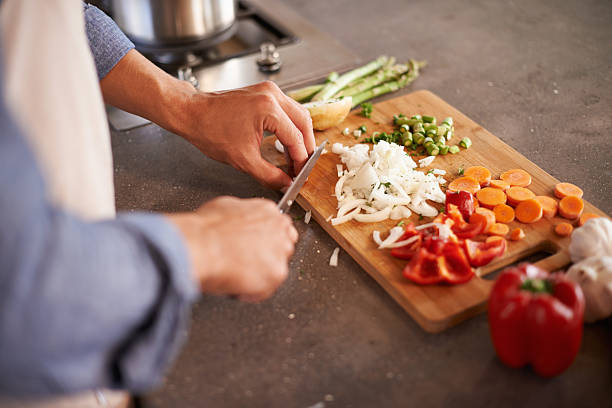
Small diced vegetables cook quickly because each piece has a short distance between its surface and centre. This makes them useful for soups, sauces, stews, and quick sautés.
Larger chunks take longer because heat needs more time to travel through their thicker centres. They are useful when you want vegetables to retain shape, structure, and a firmer texture.
Uniform cutting also matters because similarly sized pieces tend to finish cooking together. When sizes vary widely, smaller pieces can become soft while larger pieces remain noticeably undercooked.
Cutting vegetables into thin slices increases exposed surface area and reduces thickness. As a result, heat reaches the centre faster, making thin slices suitable for frying, steaming, grilling, and roasting.
Thicker slices behave differently because their centres are farther from the cooking surface. They usually need additional cooking time, especially when prepared with gentle heat or covered methods.
Carrots demonstrate this difference clearly. Thin carrot rounds soften rapidly, while thick coins or large batons require longer cooking before their centres become tender and pleasant to eat.
Julienne cuts create narrow strips with considerable surface exposure. Their slim shape allows rapid cooking, making them practical for stir-fries where vegetables need to soften quickly without losing freshness.
Shredded vegetables cook even faster because their pieces are extremely thin. Cabbage, carrots, and courgettes can soften within minutes, although prolonged cooking may cause them to lose structure.
Matchstick cuts provide a useful balance between speed and texture. Their narrow shape cooks efficiently while remaining substantial enough to provide some bite in salads, stir-fries, and noodle dishes.
Fine cuts can also lose moisture quickly. Because more surface area contacts hot air, oil, or a pan, these pieces may brown faster and require closer attention during cooking.
Whole vegetables generally require the longest cooking time because heat must travel through their entire thickness. Potatoes, onions, and beetroot can take significantly longer when left completely intact.
Halving or quartering a vegetable reduces its overall size and shortens the path heat must travel. This simple preparation can noticeably reduce cooking time without creating very small pieces.
Roasting illustrates why cutting size matters. Small potato cubes develop browned edges quickly, whereas large wedges need longer roasting to become tender throughout while maintaining attractive caramelised surfaces.
Keeping larger pieces can be beneficial when slow cooking. They are less likely to disappear into sauces and can maintain their shape during longer cooking periods without breaking apart.
Different cooking methods respond differently to cutting styles. Boiling, steaming, roasting, frying, and grilling each transfer heat differently, so the same vegetable cut may cook at different speeds.
Boiling surrounds vegetables with hot water, allowing heat to transfer efficiently. Small pieces therefore soften quickly, although excessive boiling can cause delicate vegetables to become watery or lose firmness.
Steaming is gentler because vegetables are exposed mainly to hot vapour. Thin cuts still cook quickly, while thicker pieces may need additional steaming time to become evenly tender.
Roasting relies heavily on hot air and direct contact with a heated tray. Smaller pieces generally cook faster and brown more readily because they expose more surfaces to heat.
Pan frying can cook thinly cut vegetables extremely quickly. However, crowded pans reduce direct contact with heat, allowing vegetables to release moisture and potentially slowing browning and softening.
Stir frying particularly benefits from consistent cutting. Thin strips, small cubes, and matchsticks cook rapidly over high heat, allowing several vegetables to finish together without becoming excessively soft.
Cutting style also affects moisture loss during cooking. Smaller pieces expose more internal moisture to heat, meaning they can dry out or become tender faster than larger pieces.
High surface exposure can encourage browning, which adds appealing flavour and colour. However, vegetables with delicate textures may burn before their centres have finished cooking if pieces are excessively small.
Salt, oil, and sauces can also interact differently with various cuts. Thin pieces absorb seasoning more readily, while larger chunks often need longer cooking for flavours to penetrate properly.
Potatoes provide an excellent example of how shape changes cooking results. Cubes cook relatively quickly, wedges take longer, and whole potatoes need substantially more time to become tender.
Onions also change character according to their cut. Finely chopped onions soften and caramelise faster, while thick wedges maintain more structure and can develop sweetness gradually during roasting.
Broccoli florets cook faster than whole heads because their smaller structures expose more surface area. Cutting stems separately can help each part reach a suitable texture at the same time.
Cauliflower follows a similar principle. Small florets steam or roast quickly, while larger pieces need additional time. Consistent sizing helps prevent some pieces becoming soft before others are ready.
Leafy vegetables often need very little cooking because their tissues are thin. Shredding or slicing them can reduce cooking time further, particularly when adding them to hot dishes.
To control cooking time, start by considering the desired texture. Use smaller cuts for speed and tenderness, or larger pieces when you want vegetables to remain firm and substantial.
Consistency should be a priority whenever several pieces cook together. Aim for similar thicknesses rather than identical shapes, because thickness usually has the strongest influence on how quickly centres soften.
Match your knife work to the recipe rather than cutting vegetables automatically. A stew may benefit from chunky pieces, while a quick stir-fry usually works better with thin, evenly sized pieces.
Ultimately, cutting style is a practical cooking tool. By adjusting thickness, size, and shape, you can control cooking speed, texture, browning, moisture, and the final eating experience.

This post has been authored and published by one of our premium contributors, who are experts in their fields. They bring high-quality, well-researched content that adds significant value to our platform.










Daily Food brings you recipes, cooking tips, food ideas, and useful information for food lovers. Discover fresh ideas and make every meal more enjoyable.