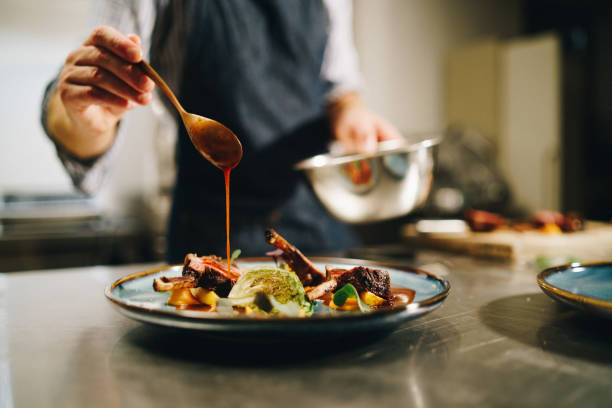
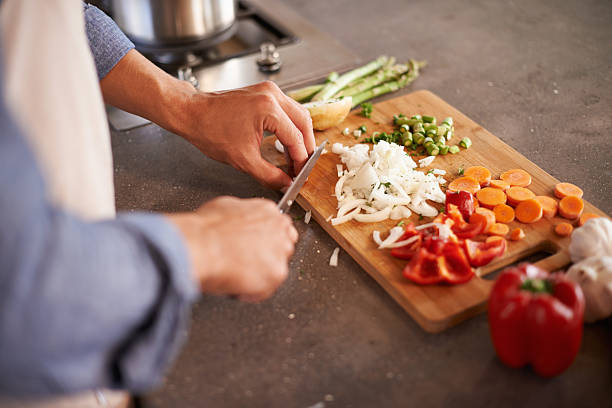
Cooking with oil can completely change the flavour, texture, and appearance of food. Yet some ingredients seem to soak up far more oil than others.
This difference is not accidental. The amount of oil a food absorbs depends on several factors, including its moisture content, surface texture, temperature, cooking time, and preparation method.
Understanding these factors can make cooking more predictable. It can also help you prepare crisp, tasty dishes without allowing them to become unnecessarily greasy or heavy.
Water naturally occurs inside most foods, particularly vegetables, potatoes, meat, and many other fresh ingredients. During cooking, this moisture begins moving towards the surface and eventually escapes.
When food loses water, tiny spaces can develop within its structure. Once the food is removed from heat, oil may enter some of these spaces, especially when the surface becomes porous.
Foods with higher moisture content do not always absorb the most oil. Their final oil absorption depends on how quickly moisture escapes and how their structure changes during cooking.
The physical structure of food has a major influence on how much oil it can retain. Rough, porous, or uneven surfaces generally provide more areas where oil can collect.
For example, battered foods have many small spaces created by flour, water, and air. These spaces can trap oil as the outer coating cooks and becomes crisp.
Smooth foods tend to offer fewer opportunities for oil to remain attached. However, even smooth ingredients can absorb significant amounts when cooking creates cracks, pores, or softer internal structures.
Temperature is one of the most important factors affecting oil absorption. When food enters sufficiently hot oil, water near its surface quickly turns into steam and moves outward.
That steam can temporarily help limit oil movement towards the food. As cooking continues and moisture decreases, the balance changes, allowing more oil to remain within the cooked surface.
If the cooking temperature is too low, food can remain in contact with oil for longer. This may encourage greater oil retention and produce a noticeably greasy texture.
Starchy ingredients, such as potatoes and certain grains, behave differently during cooking because heat changes the structure of their starch molecules. This transformation affects their texture and moisture movement.
When starch absorbs water and swells, the internal structure of food becomes softer. Later, heating can create a firmer exterior, particularly when the surface dries during frying or roasting.
The relationship between starch and oil is especially noticeable in fried potatoes, chips, fritters, and similar foods. Their crisp outer layer can retain oil after cooking.
Cutting food into smaller pieces increases the amount of surface exposed to oil. More exposed surface means more opportunities for oil to remain attached after cooking.
Thin slices, small cubes, and shredded ingredients can therefore behave differently from larger pieces of the same food, even when cooked at identical temperatures.
This does not automatically mean smaller pieces always absorb more oil. Cooking time, surface moisture, coating thickness, and temperature also influence the final amount retained.
Battered and breaded foods often absorb considerable oil because their coatings contain tiny air pockets and irregular spaces. These areas can retain oil after the food leaves the pan.
Flour-based coatings also change considerably during cooking. Moisture evaporates, proteins set, and starches transform, creating a crisp structure that can hold some surface oil.
The thickness of the coating matters too. A heavy batter provides more material capable of retaining oil than a very thin coating, particularly when cooked for longer periods.
Longer cooking does not always mean food continuously absorbs increasing amounts of oil. Instead, oil movement changes throughout the cooking process as moisture gradually leaves the ingredient.
During the early stages, steam escaping from food can create pressure that discourages oil from moving inward. Later, as moisture decreases, oil can occupy available spaces.
Overcooking can also make some foods drier and more porous. Once removed from heat, these structural changes may allow additional oil to remain on or within the food.
Oil absorption does not stop immediately when food is removed from the cooking vessel. The cooling process can influence how much oil remains inside the food's surface structure.
As steam pressure falls, surrounding oil may move into spaces that were previously occupied by moisture. This is one reason fried foods can appear noticeably oilier after sitting.
Draining food promptly can reduce some surface oil. Using a rack rather than leaving fried items directly on absorbent paper can also help maintain a crisp texture.
Deep frying surrounds food with hot oil, giving it much greater contact with oil than baking, steaming, boiling, or air frying. Consequently, the cooking method strongly affects oil exposure.
Shallow frying generally uses less oil than deep frying, although the food can still absorb noticeable amounts depending on temperature, cooking time, and surface characteristics.
Baking and roasting can also involve oil, but the ingredient is usually exposed to a smaller quantity. Brushing or lightly coating food can provide flavour without creating the same level of oil contact.
Reducing oil absorption often starts before cooking. Removing excess surface moisture, choosing appropriate cooking temperatures, and avoiding excessively thick coatings can make a noticeable difference.
For fried foods, maintaining a suitable oil temperature helps the exterior cook efficiently rather than allowing ingredients to remain immersed in oil unnecessarily long.
Draining cooked food properly can also reduce surface grease. Simple changes in preparation and cooking technique can therefore improve texture while keeping dishes from becoming unnecessarily oily.
Using the appropriate cooking temperature helps food develop a desirable exterior without spending excessive time in the oil. A stable temperature is generally more useful than simply choosing very high heat.
When oil temperature drops substantially after food is added, cooking can slow down. The ingredient may then spend longer in the oil, potentially increasing oil retention.
Overheating oil is not a solution either. Excessive heat can burn coatings or create unpleasant flavours before the inside has cooked properly. Balanced temperature control is usually preferable.
Vegetables vary greatly in their internal structure. Aubergine, for example, has a soft, porous texture that can readily retain oil, particularly when sliced and fried.
Mushrooms also contain substantial moisture and have a sponge-like structure. As they cook and lose water, their texture changes, allowing them to interact differently with oil.
Potatoes behave differently again because their starch content changes considerably during cooking. The final oil retention depends heavily on whether they are roasted, fried, boiled, or baked.
After frying, removing food from oil efficiently can prevent unnecessary surface oil from remaining attached. Allowing excess oil to drip away is a simple but useful cooking practice.
Positioning fried food so that oil can drain freely is often more effective than immediately stacking pieces together. Crowding can allow oil to remain trapped between surfaces.
However, draining does not remove oil that has already entered the food's structure. It mainly reduces oil sitting on the exterior, where it can contribute significantly to a greasy mouthfeel.
It is impossible to eliminate oil absorption completely when cooking food in oil. Ingredients naturally interact with their cooking environment, and some oil will remain after frying.
The goal is therefore not necessarily to remove every trace of oil. Instead, good cooking aims to control the amount while achieving the desired flavour, texture, colour, and crispness.
Understanding food structure makes this easier. Once you know how moisture, starch, temperature, coating, and cooking time interact, you can make more informed choices.
Certain foods absorb more oil because their moisture, structure, starch content, surface texture, and cooking conditions create different opportunities for oil retention during preparation.
Temperature and cooking time are equally important. Poor temperature control can leave food in oil for longer, while suitable heat helps create a cooked exterior more efficiently.
Small changes can make a meaningful difference. Better temperature control, thinner coatings, sensible cooking times, and proper draining can help create crisp, enjoyable food without excessive greasiness.
Ultimately, oil absorption is a natural part of cooking rather than a single process controlled by one factor. Understanding the science simply gives you greater control over the results.

This post has been authored and published by one of our premium contributors, who are experts in their fields. They bring high-quality, well-researched content that adds significant value to our platform.









Daily Food brings you recipes, cooking tips, food ideas, and useful information for food lovers. Discover fresh ideas and make every meal more enjoyable.