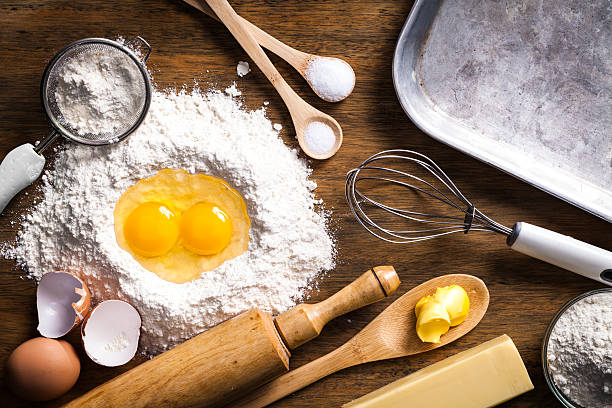
Kitchen humidity can quietly change how flour behaves, even when the recipe remains exactly the same. Moist air encourages ingredients to absorb water, affecting texture, consistency, storage, and results today.
Flour is especially sensitive because it naturally attracts moisture from surrounding air. In humid kitchens, flour may feel heavier, form small lumps, or produce dough that becomes softer than expected.
Baking ingredients respond differently to moisture, so understanding these changes helps bakers adjust recipes confidently. Simple storage habits can also protect ingredients and make everyday baking more predictable at home.
The effects become more noticeable during rainy seasons or in poorly ventilated kitchens. Recognising humidity related changes early can prevent disappointing cakes, biscuits, breads, pastries, and other homemade treats for consistency.
Flour contains starch and proteins that can absorb moisture from humid air. As this happens, the flour becomes less free flowing and may measure differently from its usual dry condition.
When flour absorbs moisture, a cup measured by volume can contain more actual flour than expected. This small difference can make dough firmer and alter the finished texture for accuracy.
Moisture also encourages flour to clump together, making it harder to distribute evenly through other ingredients. Sifting can help break lumps, but proper storage remains the better solution over time.
Different flours react at different rates because their composition varies. Wholemeal flour, for example, contains more natural oils and particles, while refined flour generally has a different moisture response when needed.
Sugar can also react to humid kitchen conditions, particularly brown sugar. Moisture helps brown sugar retain softness, while excessive exposure can eventually create sticky or hardened texture changes at home.
Salt generally handles humidity well, but fine salt can absorb moisture and develop lumps. Keeping it tightly sealed helps maintain an even texture and makes measuring easier for many recipes.
Baking powder and bicarbonate of soda should stay dry because moisture can gradually affect their performance. Damp storage may reduce reliability, especially when containers are opened frequently quite easily.
Cocoa powder can absorb moisture and develop lumps in humid environments. Although sifting often restores a smooth texture, prolonged exposure can influence its freshness and make accurate measuring more difficult.
Yeast is particularly sensitive to moisture, temperature, and storage conditions. While humidity alone does not necessarily ruin yeast, poor storage combined with warmth can shorten its useful life considerably.
Dry yeast should be kept in an airtight container after opening. This protects it from moisture and helps preserve its activity, giving dough a better chance of rising properly.
Fresh yeast contains substantial moisture already, so it requires refrigeration and careful handling. Humid surroundings can still create hygiene and storage challenges if packaging remains open for extended periods.
Before using older yeast, check its appearance, smell, and performance according to storage guidance. Testing questionable yeast can prevent wasted flour, ingredients, preparation time, and baking effort for better everyday results.
Humidity can influence the amount of liquid needed in dough. Flour that has already absorbed moisture may require less added liquid to reach the desired consistency.
This does not mean every humid day requires a major recipe change. Small adjustments are usually safer, particularly when a recipe provides clear measurements and tested proportions at home.
Experienced bakers often judge dough by appearance and feel rather than relying entirely on fixed liquid quantities. A soft dough should remain workable without becoming excessively sticky or loose with care.
Recipes containing butter, eggs, or milk can also respond differently as kitchen conditions change. Keeping ingredients at appropriate temperatures helps reduce unnecessary variation during mixing and preparation when necessary.
Biscuits and cookies can be noticeably affected by humid conditions. Moisture in the kitchen may contribute to softer dough, altered spreading, or a finished texture that lacks expected crispness.
For crisp biscuits, storing baked products in airtight containers is especially important. Once exposed to humid air, they can quickly lose their crunch and become noticeably softer more easily.
Cakes can also respond to humidity through changes in flour, sugar, and leavening behaviour. However, many cake recipes tolerate ordinary seasonal changes when ingredients are stored correctly for longer.
Pastry requires particular care because excess moisture can affect flour, butter, and handling. Keeping ingredients cool and working efficiently can help maintain the flaky structure that pastry needs without difficulty.
Good ingredient storage is one of the simplest ways to control humidity related problems. Airtight containers create a more stable environment than original paper bags or loosely closed packets at home.
Store flour away from sinks, kettles, dishwashers, and cooking areas where steam regularly enters the air. A cool cupboard with limited temperature changes is generally a practical choice.
Label containers with purchase or opening dates so older ingredients can be identified easily. Regularly checking for odours, insects, moisture, or unusual texture also supports better kitchen hygiene when possible.
For ingredients requiring refrigeration, follow the product label rather than relying on general assumptions. Proper temperature control matters because humidity is only one part of ingredient storage every day.
Humidity levels can change throughout the day, particularly when cooking, boiling water, washing dishes, or drying clothes nearby. These everyday activities can temporarily increase moisture around ingredients for better storage.
Ventilation helps remove excess moisture from the kitchen. Opening suitable windows, using an extractor fan, and avoiding unnecessary steam accumulation can create a more stable baking environment throughout the year.
A kitchen thermometer with humidity measurement can provide useful information when baking conditions seem inconsistent. Monitoring the environment helps explain why familiar recipes sometimes behave differently across seasons before baking.
However, humidity should not become a reason to overcomplicate baking. Good ingredient storage, accurate weighing, sensible adjustments, and attention to dough consistency usually provide enough control with confidence.
Weighing flour is often more reliable than measuring it by cups, especially when kitchen conditions are humid. A digital scale reduces variation caused by packing and moisture for consistency.
If a dough feels unexpectedly wet, add flour gradually rather than making a large correction immediately. Small additions allow you to reach the intended consistency without making dough unnecessarily dense.
When mixtures seem unusually dry, add liquid in small amounts. This approach gives you control and prevents accidental overhydration, particularly when flour has behaved differently because of storage at home.
Keep notes when a recipe produces unusual results. Recording weather, ingredient storage, measurements, and adjustments can help identify patterns and make future baking sessions easier to manage when required.
Humidity is a normal part of kitchen life, not an obstacle that prevents good baking. The key is understanding how moisture interacts with individual ingredients and recipes for better everyday results.
Flour, sugar, raising agents, yeast, cocoa, and finished baked goods each respond differently. Treating every ingredient in the same way can create unnecessary problems at home.
Simple habits make the biggest difference: seal ingredients well, keep storage areas dry, measure accurately, and watch the texture of mixtures as you work for many recipes.
Once these habits become routine, humid weather becomes easier to manage. Bakers can make sensible adjustments while keeping recipes consistent, enjoyable, and much more dependable for better everyday results.

This post has been authored and published by one of our premium contributors, who are experts in their fields. They bring high-quality, well-researched content that adds significant value to our platform.












Daily Food brings you recipes, cooking tips, food ideas, and useful information for food lovers. Discover fresh ideas and make every meal more enjoyable.