Fruit ripening is a natural process that changes its texture, colour, aroma, and flavour. As fruit matures, chemical reactions break down starches, soften tissues, and develop sweeter, more appealing flavours.
One important factor behind this process is ethylene, a naturally occurring plant hormone. Certain fruits release ethylene as they ripen, while other fruits respond strongly when exposed to it.
This explains why placing several fruits together can sometimes make them ripen noticeably faster. The gas released by one fruit can influence nearby produce, creating a small ripening environment.
Temperature also plays an important role. Warmer conditions generally encourage ripening, while cooler storage can slow the process. However, not every fruit responds to ethylene in exactly the same way.
Ethylene is a colourless gas produced naturally by many fruits and vegetables. Although you cannot normally see or smell it at household concentrations, it can have a significant effect on ripening.
Climacteric fruits, including bananas, apples, pears, avocados, peaches, and mangoes, typically produce more ethylene as they mature. Their exposure to the gas can accelerate several ripening changes.
When a ripe banana sits beside less mature fruit, the banana may release ethylene into the surrounding air. Nearby fruit can then respond by increasing its own ripening activity.
This process can become noticeable in a fruit bowl. One fruit may become soft and fragrant first, followed by others stored nearby, particularly when the bowl has limited airflow.
Bananas are particularly well known for their ability to influence nearby produce because they release substantial amounts of ethylene during ripening. This makes them an important consideration when arranging fruit.
An unripe banana gradually changes from firm and starchy to softer and sweeter. During this transformation, ethylene production increases and contributes to changes occurring inside the fruit.
If bananas are stored close to other ethylene-sensitive fruits, those fruits may begin ripening more quickly. The effect can be useful when you deliberately want firm fruit to become ready sooner.
However, storing ripe bananas with already mature fruit may shorten the useful storage period. Separating them can therefore help households manage ripeness and reduce unnecessary food waste.
Not every fruit produces ethylene at the same level. Apples, pears, bananas, avocados, peaches, nectarines, plums, and kiwifruit are among the fruits commonly associated with significant ethylene production.
As these fruits mature, their ethylene production can increase. When several such fruits are kept together, the surrounding concentration of the gas may rise.
The result is not always dramatic, but the combined effect can become noticeable. A group of ripening fruits may mature faster than individual pieces stored separately.
This is one reason mixed fruit bowls can change quickly. A few ripe pieces may encourage surrounding fruit to soften, develop colour, and become ready for eating sooner.
Some fruits do not produce large quantities of ethylene but can still respond strongly when exposed to it. This distinction is important when deciding which produce should share storage space.
Certain vegetables, including leafy greens and some root vegetables, can also be affected by ethylene. Exposure may cause unwanted changes such as yellowing, softening, or deterioration.
Fruit sensitivity varies considerably. Some produce can tolerate ethylene exposure without obvious problems, while other items may deteriorate faster when kept beside strong ethylene producers.
Understanding this difference can make household storage much easier. Instead of treating all fruits in the same way, you can group produce according to its ripening behaviour.
A traditional fruit bowl provides an ideal environment for ripening because different pieces of produce are positioned close together. Ethylene released by one fruit can remain around nearby fruit.
Limited ventilation can also allow ethylene to accumulate around the produce. This does not mean every fruit will suddenly ripen at the same speed, but conditions can encourage faster changes.
Room temperature further supports the process for many fruits. Compared with refrigeration, a typical kitchen environment allows ripening reactions to continue more actively.
That is why a fruit bowl may look completely different after only a few days. Firm fruit can become softer, sweeter, more colourful, and noticeably more aromatic.
Temperature has a major influence on fruit ripening. Warmer environments generally increase the speed of many chemical reactions involved in ripening, while cooler conditions slow these processes.
This is why some fruits are best left at room temperature while they are still firm. Once they reach the desired ripeness, refrigeration can often help extend their usable life.
However, refrigeration is not suitable for every fruit at every stage. Some tropical fruits can experience texture or flavour changes when exposed to very low temperatures.
The best approach depends on the particular fruit. Learning whether something should ripen on the counter or be refrigerated afterwards can help preserve both quality and flavour.
Keeping certain fruits apart can slow unwanted ripening. This is particularly useful when you have several pieces of produce that are already close to their ideal eating stage.
For example, separating ripe bananas from apples, pears, or avocados can reduce their shared exposure to ethylene. Good airflow can also help prevent the gas from becoming concentrated.
Separate storage does not completely stop ripening because fruits naturally continue changing after harvest. Instead, it can help control the speed at which those changes occur.
Using different bowls, ventilated containers, or suitable refrigerator compartments can therefore make a practical difference. Small storage changes may give you several extra days of freshness.
The simplest strategy is to identify which fruits need to ripen and which ones are already ready to eat. Firm climacteric fruits can often be left at room temperature until ripe.
Once fruit reaches the preferred ripeness, refrigeration may slow further softening. Keeping produce dry is also important because excess moisture can encourage mould and spoilage.
Avoid overcrowding storage containers. Fruit needs enough air circulation to reduce moisture accumulation and prevent damaged pieces from affecting healthy ones nearby.
Check your fruit regularly rather than waiting until everything looks spoiled. Removing overripe or damaged pieces early can help protect the remaining produce and reduce household food waste.
Ethylene can actually be useful when you want firm fruit to become ready for eating sooner. Keeping selected fruits together in a suitable environment can encourage natural ripening.
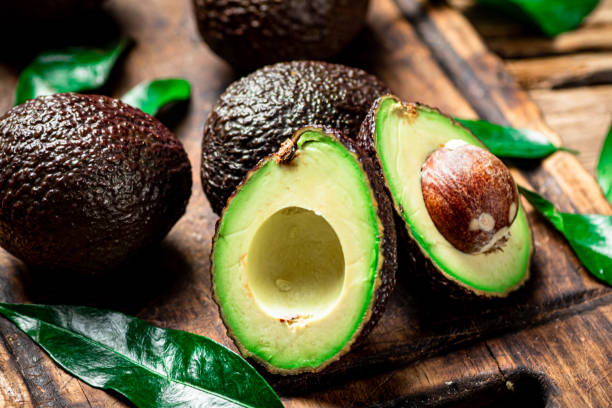
For instance, an unripe avocado may ripen faster when kept near an ethylene-producing fruit such as a banana. A paper bag can also concentrate naturally produced ethylene.
The process should still be monitored. Once fruit becomes ripe, leaving it in the same enclosed environment can push it towards excessive softness or spoilage.
This approach is particularly useful when planning meals. Instead of waiting several days for fruit to ripen naturally, you can create conditions that encourage a quicker and more predictable result.
Understanding fruit ripening can help households waste less food. When people know which fruits accelerate ripening, they can make better decisions about storage and buying quantities.
Buying large amounts of fruit at different stages of ripeness can be helpful. Firm pieces can be kept aside while ripe fruit is eaten first.
Regularly checking the fruit bowl also prevents small problems from becoming larger ones. One bruised or overripe fruit can deteriorate quickly and affect the quality of nearby produce.
Simple storage habits can therefore save both food and money. Keeping ethylene-producing fruits separate when appropriate is an easy step towards extending freshness.
The key is not to stop ripening completely but to manage it. Fruit tastes best when it reaches the right stage, so storage should support your eating plans.
Keep fruits that need to ripen at room temperature, monitor them regularly, and move ripe pieces into appropriate storage when necessary. This creates a simple routine.
Consider separating strong ethylene producers from sensitive produce, especially if you are unlikely to eat everything immediately. Better airflow can also help maintain quality.
Once you understand the connection between ethylene, temperature, and fruit maturity, your fruit bowl becomes easier to manage. A few small changes can keep produce fresher and tastier for longer.

This post has been authored and published by one of our premium contributors, who are experts in their fields. They bring high-quality, well-researched content that adds significant value to our platform.











Daily Food brings you recipes, cooking tips, food ideas, and useful information for food lovers. Discover fresh ideas and make every meal more enjoyable.