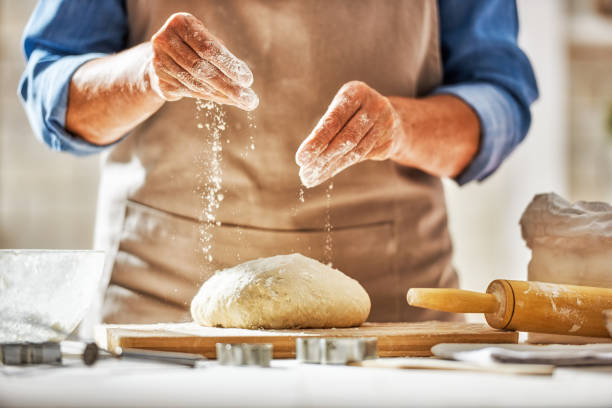
Homemade bread often feels wonderfully soft when it first comes out of the oven. However, that softness can disappear surprisingly quickly once the loaf begins cooling.
The main reason is moisture. Heat keeps water moving through the bread, creating a soft and flexible texture while the loaf remains warm inside.
As the bread cools, moisture gradually moves around and escapes from the crust. This changes the texture, making the crumb feel firmer, drier, and sometimes noticeably harder.
This process is completely normal and does not necessarily mean something went wrong with your recipe. Several natural changes happen inside bread during cooling.
Freshly baked bread contains considerable moisture, particularly inside the crumb. During baking, heat transforms the dough and creates the structure responsible for its familiar texture.
When the loaf leaves the oven, its internal temperature remains high. Steam continues moving through the crumb while the crust slowly becomes firmer.
As cooling continues, some moisture migrates towards the crust and surrounding air. If the environment is dry, moisture can leave the loaf even faster.
That gradual moisture loss is one reason bread that initially feels soft and springy can become noticeably firmer after several hours.
Starch plays a major role in determining how bread feels after cooling. During baking, starch absorbs water and swells, helping create the soft structure associated with freshly baked bread.
Once the loaf cools, the starch molecules begin reorganising themselves. This natural process is called retrogradation and contributes significantly to bread becoming firmer.
The process does not happen because the bread has suddenly gone bad. Instead, it represents a normal change in the structure created during baking.
This is also why reheating bread can temporarily make it feel softer again. Heat disrupts some of the changes that occurred while the bread cooled.
Moisture is essential for maintaining a tender crumb. When bread loses too much water during cooling, the texture becomes drier and less pleasant to chew.
A thick crust naturally loses moisture faster than a tightly protected crumb. However, excessive moisture loss can eventually affect the entire loaf.
Leaving freshly baked bread uncovered for several hours can therefore make it noticeably harder than expected, especially in dry household environments.
Bread stored incorrectly may continue losing moisture throughout the day. Proper storage helps slow this process and keeps the crumb softer for longer.
Overbaking is another common reason homemade bread becomes hard after cooling. Keeping a loaf in the oven too long allows excessive moisture to escape.
Even if the bread looks beautifully golden, the inside may have lost more water than necessary. Once cooled, that missing moisture becomes much more noticeable.
A loaf that seems perfectly soft while hot can therefore become dry and firm after reaching room temperature.
Following recommended baking times and checking the bread carefully can help prevent unnecessary moisture loss and improve the finished texture.
Not every homemade loaf becomes hard at the same speed. The ingredients used in a recipe have a major influence on how the finished bread behaves.
Recipes containing milk, butter, eggs, oil, or other fats often produce softer crumbs because these ingredients influence moisture retention and gluten development.
Sugar can also contribute to a softer texture because it attracts and holds water within the bread. This helps slow down drying after baking.
Lean breads made mainly with flour, water, yeast, and salt may naturally develop firmer textures, particularly when stored without adequate protection.
Cooling bread completely before storage is important, but the timing can feel confusing. Bread needs enough time to settle without being left exposed unnecessarily.
Cutting into a loaf immediately after baking releases trapped steam and can damage the developing crumb structure, making the bread seem gummy or uneven.
Allowing the loaf to cool gradually helps the crumb finish setting properly. Once sufficiently cool, it should be stored appropriately.
Avoid wrapping bread while it is still very hot because trapped steam can soften the crust excessively and create unwanted condensation inside the packaging.
The type and quantity of flour can influence the final texture. Different flours absorb water differently, meaning the same recipe can behave differently depending on ingredients.
Wholemeal and wholegrain flours contain more bran and germ, which can interfere with gluten development and produce a denser, sometimes firmer crumb.
Using too much flour is another common problem. A dough that feels extremely dry during preparation may produce bread that becomes hard after cooling.
Rather than adding flour automatically, aim for the dough consistency described by your recipe. A slightly sticky dough can often produce a softer finished loaf.
Proper storage is one of the simplest ways to preserve softness. Once the bread has cooled sufficiently, keep it protected from unnecessary exposure to air.
A bread bag, airtight container, or suitable reusable storage method can help reduce moisture loss. However, the best option depends on how quickly you plan to eat the loaf.
Avoid storing bread uncovered on a kitchen counter because circulating air gradually removes moisture from the crumb.
For longer storage, freezing can be particularly effective. Properly wrapped bread can retain much of its original quality when thawed carefully.
Hard homemade bread does not always need to be thrown away. Several simple methods can make it useful again, depending on how dry the loaf has become.
Gentle reheating can soften bread temporarily because heat changes the starch structure and makes some moisture available again.
You can also transform firmer bread into toast, breadcrumbs, croutons, bread pudding, or other recipes where a crisp texture is actually beneficial.
If your loaves consistently become hard after cooling, review your hydration, flour measurement, kneading, baking time, and storage method to identify the likely cause.
Homemade bread contains fewer commercial ingredients designed to extend softness, so changes in texture can sometimes happen more quickly than with packaged supermarket loaves.
That does not mean homemade bread is inferior. In fact, its changing texture is part of what makes fresh baking different from highly processed commercial products.
The key is understanding how moisture, starch, ingredients, baking, cooling, and storage work together. Small adjustments can make a noticeable difference.
With the right recipe and storage routine, homemade bread can remain pleasantly soft for longer while still developing the flavour and character that make baking worthwhile.

This post has been authored and published by one of our premium contributors, who are experts in their fields. They bring high-quality, well-researched content that adds significant value to our platform.









Daily Food brings you recipes, cooking tips, food ideas, and useful information for food lovers. Discover fresh ideas and make every meal more enjoyable.