Cooking does not always finish when food leaves the oven, pan, or grill. Heat continues moving through ingredients, allowing textures and flavours to develop further.
This short resting period can make a noticeable difference to the final result. Cutting, serving, or eating food immediately may change how moisture behaves.
Resting gives ingredients time to settle naturally. Juices redistribute, internal temperatures balance, and softer structures can become firmer without additional cooking.
The effect varies depending on the food. Meat, baked goods, roasted vegetables, rice, and casseroles all respond differently, but resting remains surprisingly important.
Meat is one of the clearest examples of why resting matters. During cooking, heat pushes moisture towards the centre and changes the muscle proteins.
When meat rests, its temperature gradually becomes more even. The proteins relax slightly, while some of the juices redistribute throughout the cooked portion.
Cutting meat immediately can release valuable juices onto the chopping board. Allowing it to rest usually helps retain more moisture when slices are eventually served.
The exact resting time depends on the size and type of meat. Larger roasts generally need longer, while smaller portions require only several minutes.
Juices play an important role in how tender and enjoyable cooked meat feels. During heating, moisture moves around as muscle fibres contract and tighten.
Resting allows the pressure created during cooking to decrease gradually. This can help the meat retain moisture rather than releasing everything immediately after cutting.
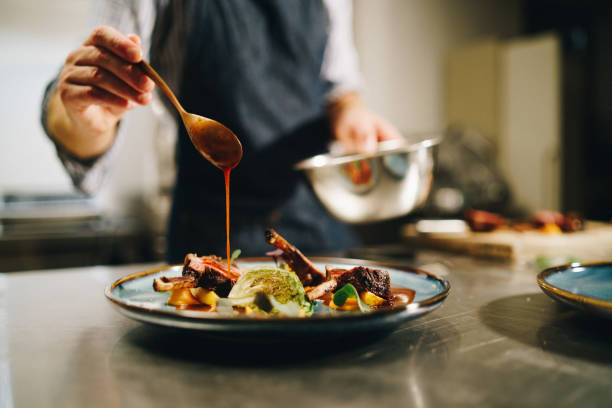
A rested steak often feels juicier because fewer juices escape onto the plate or cutting board. The difference can be especially noticeable with thicker cuts.
However, resting does not magically repair overcooked meat. If the cooking process removes excessive moisture, resting can improve texture but cannot completely restore tenderness.
Roast meats often continue cooking after being removed from the oven. This is known as carryover cooking and can influence both texture and final temperature.
During this period, residual heat travels from hotter outer areas towards the cooler centre. Resting therefore helps the temperature become more evenly distributed.
If a roast is carved immediately, its juices may escape quickly. Waiting allows the structure to stabilise, producing cleaner slices and a more pleasant mouthfeel.
The ideal resting period depends on the roast's size and cooking method. A small joint needs less time than a large turkey or beef roast.
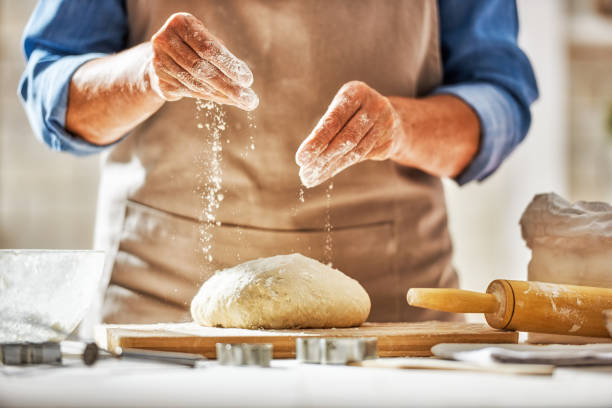
Resting is not limited to savoury dishes. Cakes, bread, biscuits, and other baked foods also need time to develop their final texture after cooking.
Freshly baked bread can feel unusually soft inside because steam remains trapped within its structure. Cooling allows moisture to redistribute and the crumb to become firmer.
Cakes also benefit from cooling before slicing. Cutting too early can cause delicate layers to collapse, while sufficient cooling helps the structure hold its shape.
Some baked foods become crispier as they cool. Moisture gradually moves away from the surface, allowing certain crusts and edges to become firmer.
Cooked vegetables can also change noticeably during resting. Their texture continues settling as residual heat moves through the cells after cooking finishes.
Roasted vegetables may become slightly firmer as their surfaces cool. This can make them easier to handle and sometimes improves the contrast between crisp edges and softer centres.
Steamed vegetables can continue softening if they remain covered. Removing them from direct heat at the right moment helps prevent unwanted overcooking.
Resting vegetables therefore requires balance. A short pause can improve texture, but leaving delicate vegetables warm for too long may make them overly soft.
Rice is another food where resting can make a considerable difference. After cooking, steam remains inside the grains and continues affecting their structure.
Allowing rice to rest with the lid on gives moisture time to distribute evenly. This can create a more consistent texture throughout the cooked grains.
Immediately stirring or serving rice may sometimes make the grains appear wetter or stickier. A brief resting period can help excess moisture settle.
Different rice varieties respond differently, so cooking instructions matter. However, a few minutes of resting often helps produce grains that are lighter, more separate, and easier to serve.
Sauces can change texture while they rest too. Heat, evaporation, starch, and fats continue interacting after a pan has been removed from the cooker.
A sauce that seems thin when extremely hot may thicken slightly as its temperature falls. This happens because ingredients behave differently as they cool.
Cream-based sauces can become noticeably thicker during resting, while some gravies settle and develop a smoother consistency before serving.
This is why tasting a sauce immediately after cooking can sometimes be misleading. Giving it a short rest provides a better indication of its final texture.
There is no universal resting time because different foods have different structures, sizes, moisture levels, and cooking temperatures.
Small foods generally need only a short pause, while larger items require more time for internal heat and moisture to redistribute properly.
For many meats, several minutes can make a meaningful difference. Larger roasts may benefit from a considerably longer resting period before carving.
Baked foods often need to cool until their structure becomes stable. The right approach is therefore to consider the food itself rather than following one fixed rule.
Resting and cooling are related but not identical processes. Resting usually means allowing food to settle briefly after cooking while retaining useful warmth.
Cooling generally involves reducing the food's temperature more substantially. This is often necessary for baked goods or foods that need structural stability before serving.
The distinction matters because excessive cooling can change texture in unwanted ways. A steak left for too long may lose the warmth diners expect.
Understanding the difference helps cooks choose the right waiting period. The goal is usually not simply to make food colder, but to improve its final eating quality.
Serving food immediately is not always wrong, but it can sometimes prevent the texture from reaching its best possible state.
Freshly cooked meat may release more juices when sliced, while baked foods can crumble or collapse before their internal structure has settled.
Rice can also remain wetter and less evenly textured when served without resting. Sauces may appear thinner before they have had time to stabilise.
These differences may seem small, but they can influence the overall eating experience. A few extra minutes of patience can sometimes make a surprisingly noticeable improvement.
Resting is a simple technique that requires no special equipment, additional ingredients, or complicated cooking skills. It mainly requires understanding what the food needs.
Instead of treating resting as wasted time, cooks can use it as part of the overall preparation process. This makes serving more organised and controlled.
For example, meat can rest while vegetables finish cooking, while a sauce can settle as plates are prepared. Planning these moments makes timing easier.
Ultimately, resting gives food an opportunity to finish naturally. Paying attention to this stage can improve moisture, tenderness, firmness, and overall texture.
Resting time can have a surprisingly strong influence on cooked food texture. It allows heat, moisture, proteins, starches, and other components to settle naturally.
From juicy roast meat to properly cooled cakes, the benefits depend on the food and its cooking method. There is no single waiting period for everything.
The most useful approach is to understand what happens after cooking stops. Food can continue changing even when it is no longer directly exposed to heat.
So, before cutting, stirring, or serving your next dish, consider giving it a little time. That simple pause may be the difference between good texture and great texture.

This post has been authored and published by one of our premium contributors, who are experts in their fields. They bring high-quality, well-researched content that adds significant value to our platform.












Daily Food brings you recipes, cooking tips, food ideas, and useful information for food lovers. Discover fresh ideas and make every meal more enjoyable.